
From Data to Decisions: How Trzuskawica S.A. Improves Production Efficiency with TMS
At Trzuskawica S.A., the digitalization of production processes is not an end in itself, but a tool for achieving real improvements in efficiency, stability, and predictability of production. Rafał Kędzierski – Performance Manager at Trzuskawica S.A. – explains the scope of the implementation, measurable results, and the role of data in day-to-day operational management.
When and at what scale was the TMS system implemented?
Rafał Kędzierski: The TMS system was implemented at Trzuskawica S.A. in 2022 as a tool supporting automated reporting and KPI consolidation for the entire production process – in line with both the corporate standards of the CRH Group and the specific characteristics of local production.
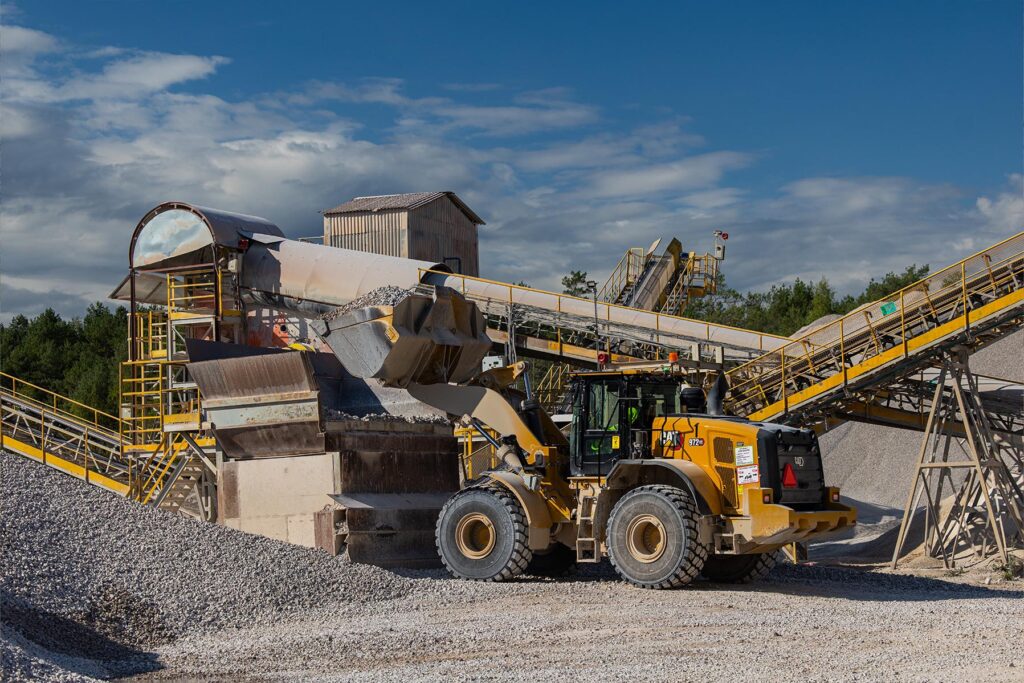
The implementation covered the entire process chain, from extraction and internal transport to the production of finished products, including:
- 40 PRECIA MOLEN conveyor belt scales,
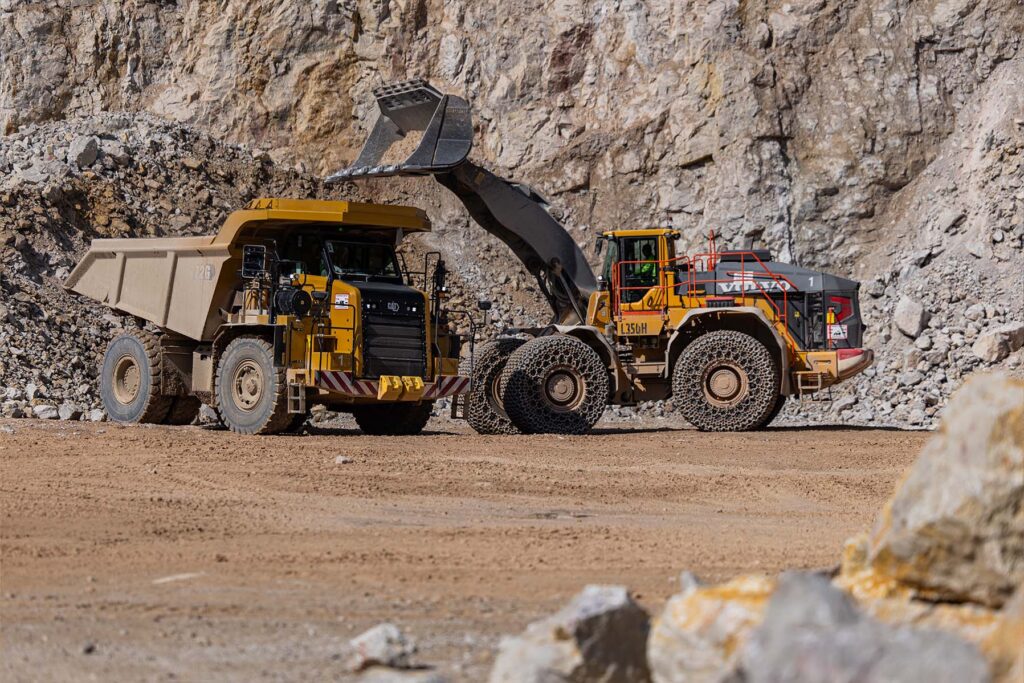
- 2 excavators (CAT, Volvo),
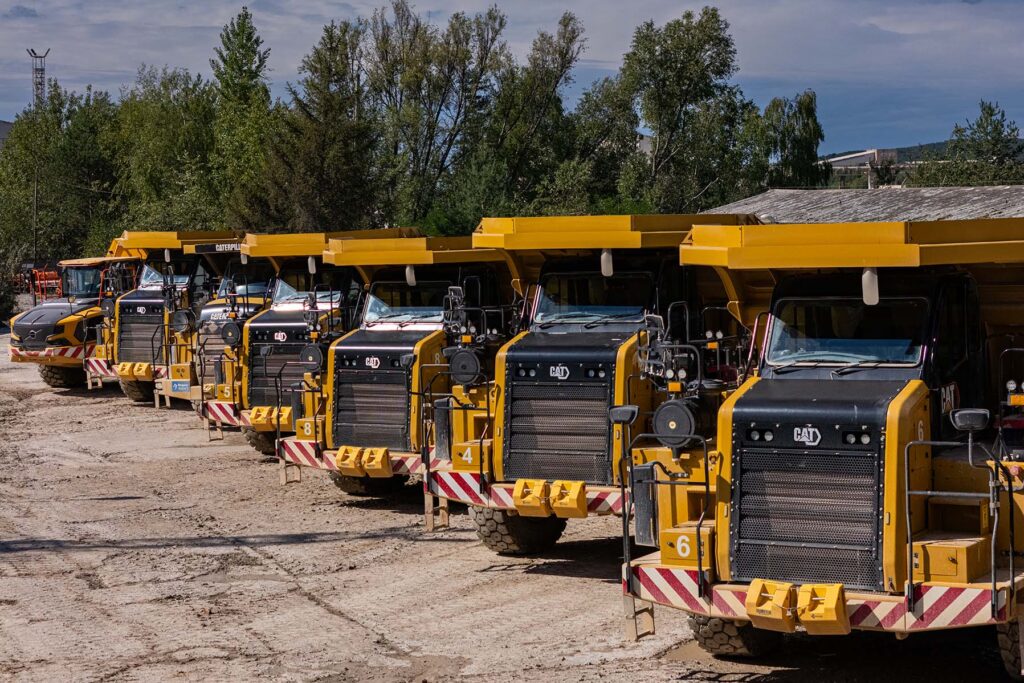
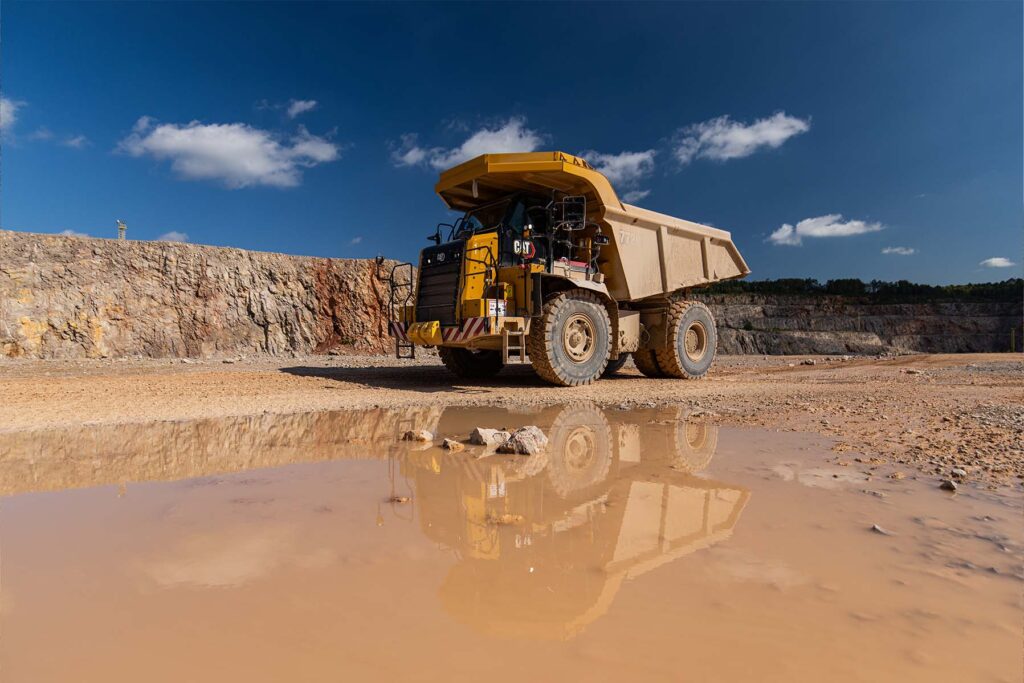
- 9 in-house haul trucks used in the quarry,
- 10 wheel loaders (Volvo, Liebherr – both owned and subcontracted),
- 12 subcontractor trucks (IVECO, MAN, Renault, Mercedes).
The system was also extended with additional custom measurement points, including instrumentation of a filter press, where data is collected directly from control signals. This made it possible to fully map operational cycles even in areas that were previously outside traditional monitoring systems.
A key element of the implementation was the automation of KPI reporting and ensuring consistent data for all levels of management – from operators and shift supervisors to management teams and performance departments.
The deployment of TMS on subcontractor trucks also enabled the automation of the transport settlement process for services performed for Trzuskawica.
What were the objectives behind implementing the TMS system?
R.K.: The primary objective was to create an objective, data-based foundation for improving production processes in line with Lean Management principles.
In particular, the goals included:
- identifying and eliminating bottlenecks,
- improving the flow of raw material supply to crushers,
- reducing machine idle time,
- improving information exchange between participants in the production process,
- more efficient use of loading equipment,
- consolidating KPI reporting for all stages of the production process,
- increasing the efficiency of internal transport operations.
For a plant operating on this scale, every hour of downtime has a measurable impact on results, which is why the transition to data-driven management based on real-time information was essential.
What measurable results did the implementation of TMS bring?
R.K.: The results were fully measurable and reported at the group level. The most important outcomes achieved through active use of the TMS system include:
- +17 hours increase in haul truck fleet utilization time,
- –11% reduction in machine idle time,
- +5,000 tonnes of additional monthly transport volume thanks to optimized transport cycles,
- improved continuity of feed supply to the crushing plant and shorter haul truck travel times.
These results were achieved through the implementation of operational procedures, KPI analysis, and continuous monitoring of process parameters. A detailed analysis of cycle times, unloading operations, and haul routes made it possible to perform one additional trip per day for each of the nine haul trucks, which directly increased transport volumes.
We are moving together toward Industry 5.0, continuing the digitalization of production processes. Experiences from Trzuskawica S.A. have also contributed to the recognition and implementation of TMS solutions in other CRH Group companies, including operations in Romania and Slovakia.
How does TMS support daily production management?
R.K.: The TMS system provides continuous access to operational data and clear KPI visualizations across different time horizons – shift, day, week, month, quarter, and year.
Additionally, we use electricity consumption measurements in selected production areas. Depending on analytical needs, these measurement points can be periodically relocated, allowing us to flexibly assess the energy intensity of individual processes.
A particularly important element is the detailed analysis of idle time, which is treated as a full-fledged process quality indicator rather than simply downtime. This approach has enabled:
- better planning of machine operations,
- increased operator awareness,
- faster responses to deviations from operational standards.
Another useful functionality is the ability to record the causes of production interruptions and stoppages within the plant. This helps us better understand why production processes are not always continuous and stable. As a result, decisions are no longer based on assumptions but on real operational data.
Analysis of these causes shows which problems occur most frequently, how long they last, and how they affect production targets.
The system also records fuel consumption during operation and idle time, allowing us to determine precisely when and under what conditions fuel is consumed. This helps identify abnormal situations such as excessive fuel consumption or prolonged idle operation.
These insights provide a solid basis for explaining irregularities and implementing improvements in work organization.
Data from TMS also forms the foundation for further initiatives in predictive maintenance, linking operational events with maintenance activities and the technical efficiency of machines.
How does TMS support daily production management?
R.K.: Our cooperation with TMS is truly a partnership. We submit needs and ideas for improvements, and the TMS team together with the technical department translates them into concrete solutions that genuinely support the improvement of our processes, rather than simply delivering technology.
This collaboration focuses on jointly developing functionalities that respond to the plant’s real operational needs. Examples include reports linked to conveyor directions and produced fractions, as well as integration of data with other analytical tools such as Power BI and Excel.
Thanks to this approach, Trzuskawica S.A. has maintained a continuous operational data history since 2022, enabling comparative analysis, trend monitoring, benchmarking, and the further implementation of optimization projects.
In one sentence: TMS is…
R.K.: …a technology partner that knows our plants inside out, participates with us in key operational processes, and actively contributes to their continuous improvement.
Interview conducted by Damian Wiercioch

Rafał Kędzierski – Performance Manager at Trzuskawica S.A. (CRH Group). Responsible for overseeing operational efficiency, KPI analysis, and improving production processes based on data and Lean Management principles.